A few weeks ago, I was scrolling on Instagram when an earthy green post caught my eye. In bold cursive was the word “Campogatto,” over a picture of a matcha latte topped with what looked like pink cold foam. Immediately, I was intrigued: What exactly was a Campogatto? A look at the caption revealed that the topping was strawberry ice cream, a twist on the classic Affogato dessert (vanilla ice cream or gelato with a shot of espresso).
The post came from CampusCares, a student organization focused on social impact within the Ithaca community through volunteering. The Campogatto was a collaboration with Collegetown Bagels as part of a fundraiser to help run CampusCares activities. Not only was I excited to try the drink in support of my friend, who is a member, but I was also eager to learn more about the process behind a club collaborating with CTB on a menu item. Other student organizations have partnered with CTB in the past as well; for instance, the PADwich partnership was led by the pre-law fraternity Phi Alpha Delta.
In order to learn more about the collaboration, I reached out to CampusCares Chief Growth Officer Ben Chen ’27. I was curious to know how they decided on the Campogatto as their menu item of choice, as well as the time frame of the entire process. Chen stated that the collaboration started as a direct conversation between CampusCares members and CTB. The goal of the fundraiser was to create a menu item that students would enjoy and would also reflect the fun, enthusiastic energy of CampusCares. “Our marketing lead and photography lead worked closely with CTB's team on everything from drink design to promotional content,” Chen said. From the club’s initial conversation with the establishment to the official rollout of the drink, the process only took a couple weeks, a speed that Chen emphasized “really speaks to CTB's commitment to supporting the student community.”
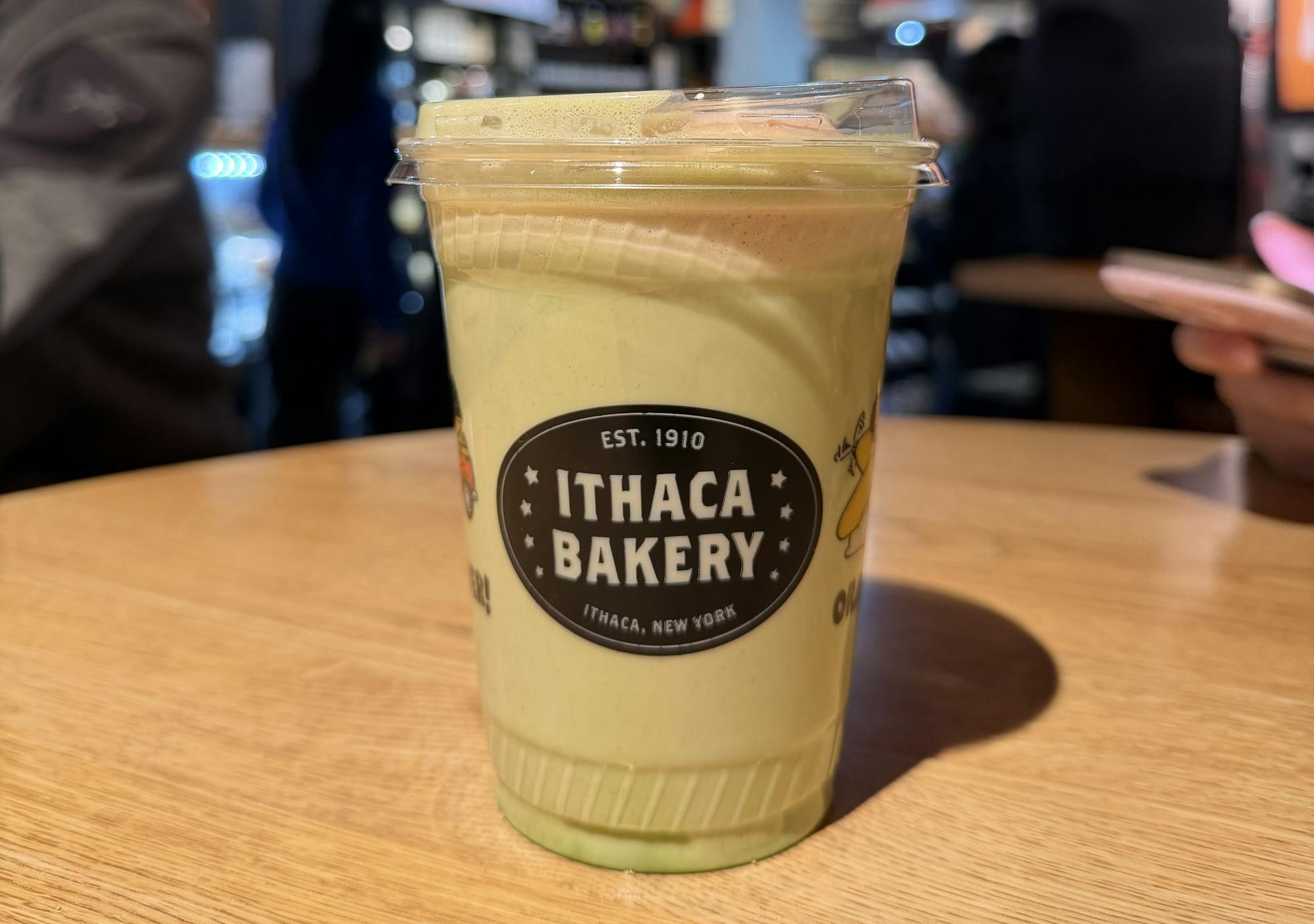
The Campogatto, a matcha latte topped with strawberry ice cream, from CTB. The drink was part of a collaboration between CTB and CampusCares.
There was also an emphasis on keeping the price point accessible for students. Considering the fundraising purpose and the cost of the ingredients, the Campogatto was priced at $11, a fair sweet treat to get at the end of a long week. The best part of the drink was the strawberry ice cream, which was smooth and velvety. I suspect that the matcha would’ve had a more robust flavor if I had asked for oat milk instead of a dairy-based milk to balance out the ice cream. I also wondered how the drink would’ve tasted if the base was hot, similar to the traditional affogato.
When asked how CampusCares felt about their experience working with CTB, Chen said, “It’s shown us that local businesses genuinely want to invest in student-led service. These collaborations give our members hands-on experience in outreach, negotiation, branding and event management that you just don't get in a classroom.” Indeed, the skills that can be gained from working with a business are invaluable. The effort that went into all aspects of the collaboration is therefore not just meaningful for students, but is also indicative of the importance of having local, smaller businesses in Collegetown.
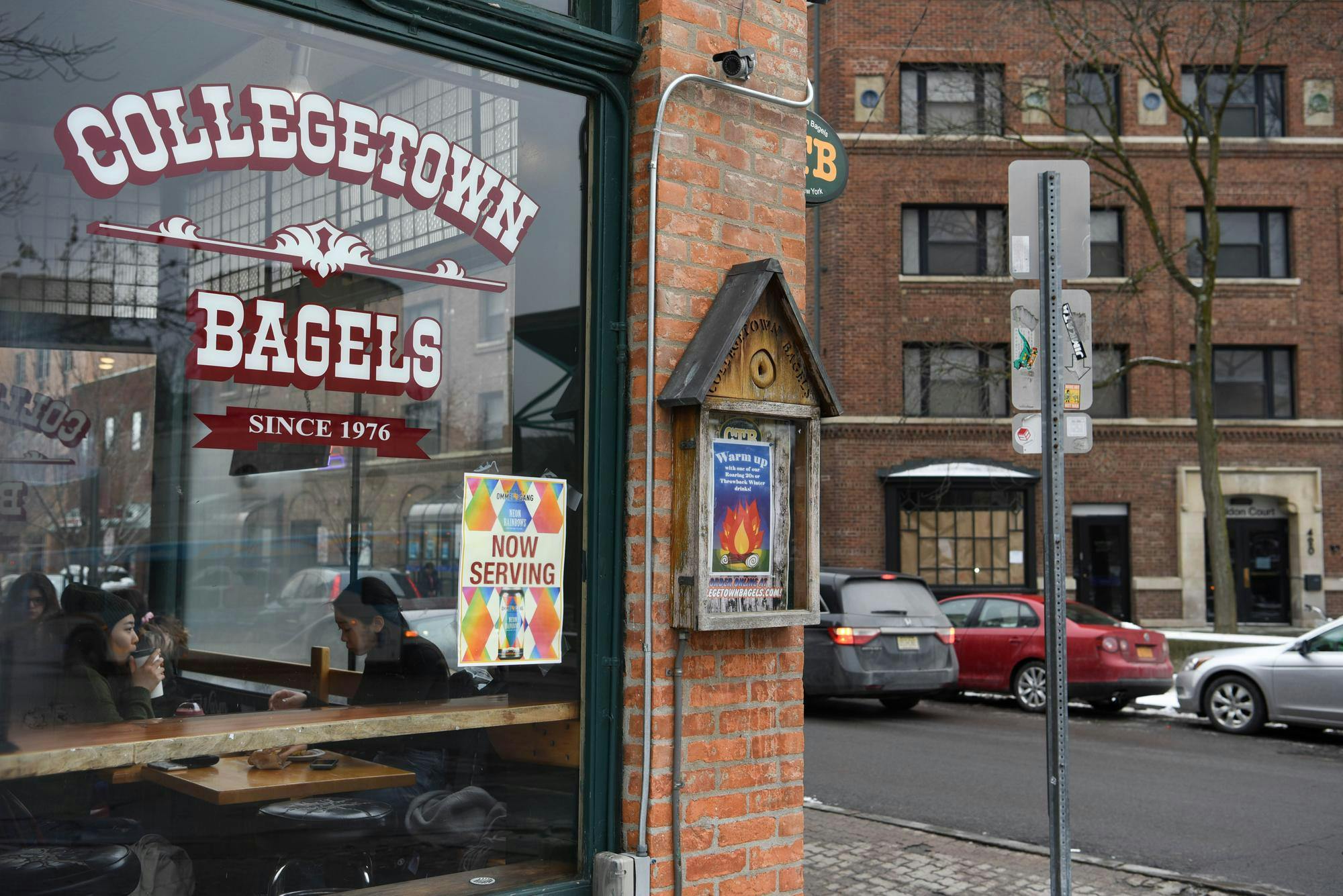
I’ve often heard students wondering why we don’t have larger establishments closer to campus. I’ve heard students longing for a Dunkin’ Donuts or a Starbucks (both of which used to have locations in Collegetown). But local businesses are the backbone of the Cornell student experience; the culture of sitting outside on the CTB patio with a lox bagel in hand, surrounded by dozens of other students, is simply something that cannot be replicated at large chains. The authenticity and charm of these businesses lead to interactions that encourage both genuine connection and a sense of loyalty in the Ithaca community.
Moreover, local businesses better understand the needs of our community. Their knowledge of the area and Ithacan culture allows them to better tailor their services to its people. CTB, for one, has been in Ithaca since 1976, fostering a unique sense of identity among Ithacans and supporting local causes ever since. The cultural understanding and distinctiveness these kinds of businesses provide are vital to preventing homogeneity and upholding community ties.
Chen stated that in the future, CampusCares plans to “expand to more Collegetown and Ithaca establishments,” especially those that are both popular amongst students and share their commitment to making an impact within Ithaca. He highlighted that having the same values as their partnerships makes the collaboration feel “authentic, rather than transactional.” In tandem with this authenticity, I encourage students to see what different student organizations on campus are involved with and support them when possible. After all, we all actively contribute to not just the student culture at Cornell, but also the broader Ithacan community, and must do our part to preserve our connections with one another.
Krystal Kymn is a sophomore in the College of Arts and Sciences. She can be reached at klk239@cornell.edu.