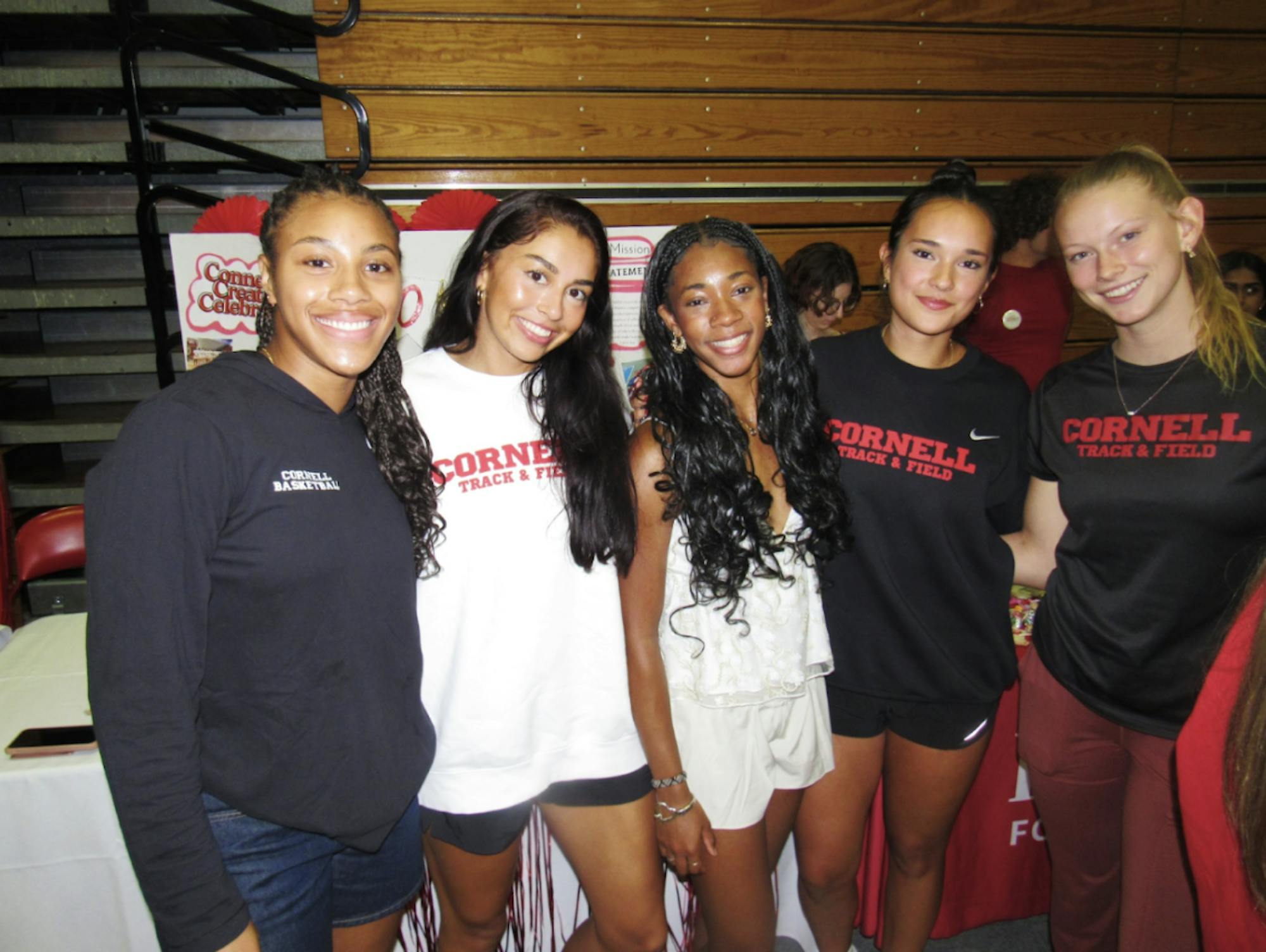
Six years ago this month, two Cornell students — Monique Anderson ’22 and Jadyn Matthews ’22 — dared to be different.
Anderson, a track and field high jumper, and Matthews, a defender and midfielder for the women's soccer team, made the bold decision to found a new organization on Cornell’s campus, one dedicated to supporting women of color in athletics.
The need for this sisterhood had been apparent for years. It was these two students who took action, creating a space for women who understood both the pressures of NCAA competition and the unique challenges of being student-athletes at an Ivy League institution.
“I was very grateful to have a resource like WOCA my freshman year where I could feel seen and heard as a woman of color in athletics as well as connect with people that share my experience,” said Ava Bogan ’26, a midblocker and rightside on the women’s volleyball team and WOCA’s director of internal relations.
In Summer 2020, amid the death of George Floyd’s, Women of Color in Athletics truly began to flourish, following its formation in February 2020. It became a space for members to process their emotions and share the realities of navigating being a woman of color in the U.S.. While campus sat in a desolate stillness brought on by the pandemic, the women of WOCA did not drift apart.
If anything, they grew closer, exchanging academic and personal resources, supporting one another from afar and forming genuine and lasting friendships.
Now, in 2026, that sisterhood has only strengthened, continuing to provide athletes with a space where they feel seen, heard and supported.
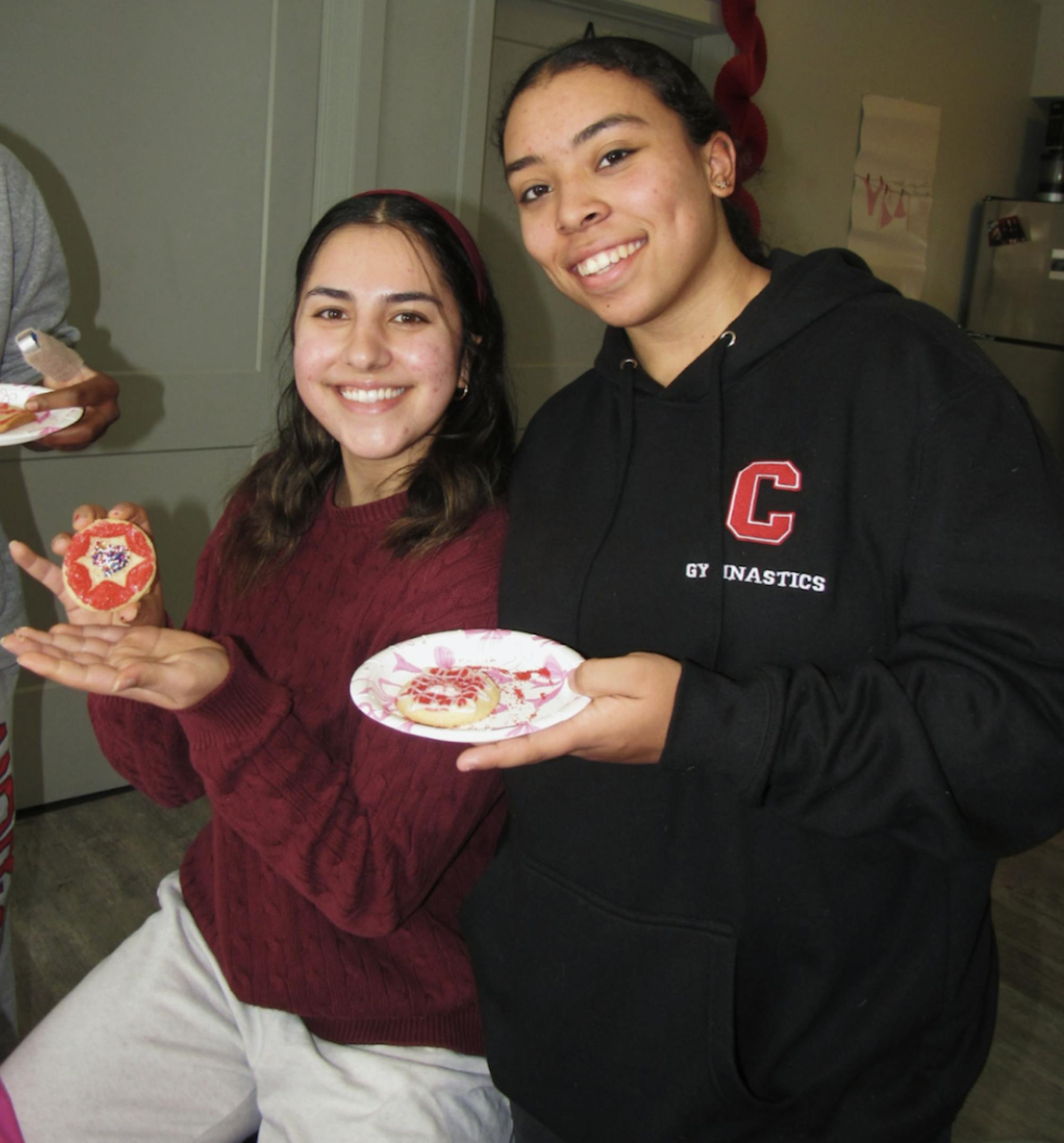
“I was a freshman and I wanted to explore more communities of color because for me, I grew up in a predominantly white community,” said Sade Falese ’26, a track and field athlete and WOCA’s director of finance.
Falese’s experience is not unique. Many athletes on campus share similar sentiments, which helps explain why so many gravitate toward the organization.
While WOCA serves as a space for representation and belonging, it also plays a significant role in professional development. Through resume workshops, networking events and collaborative programming with Men of Color in Athletics, which is the sister organization to WOCA, members gain exposure to internship and career opportunities.
“My favorite event could honestly be the resume workshops, and the professional workshops that we host,” Falese said. “We also collab[orate] with MOCA, and it's just cool to see that there’s a bunch of juniors and seniors who are breaking into these big industries, industries that I am also interested in … it's kind of nice to see that people like me can get those types of roles.”
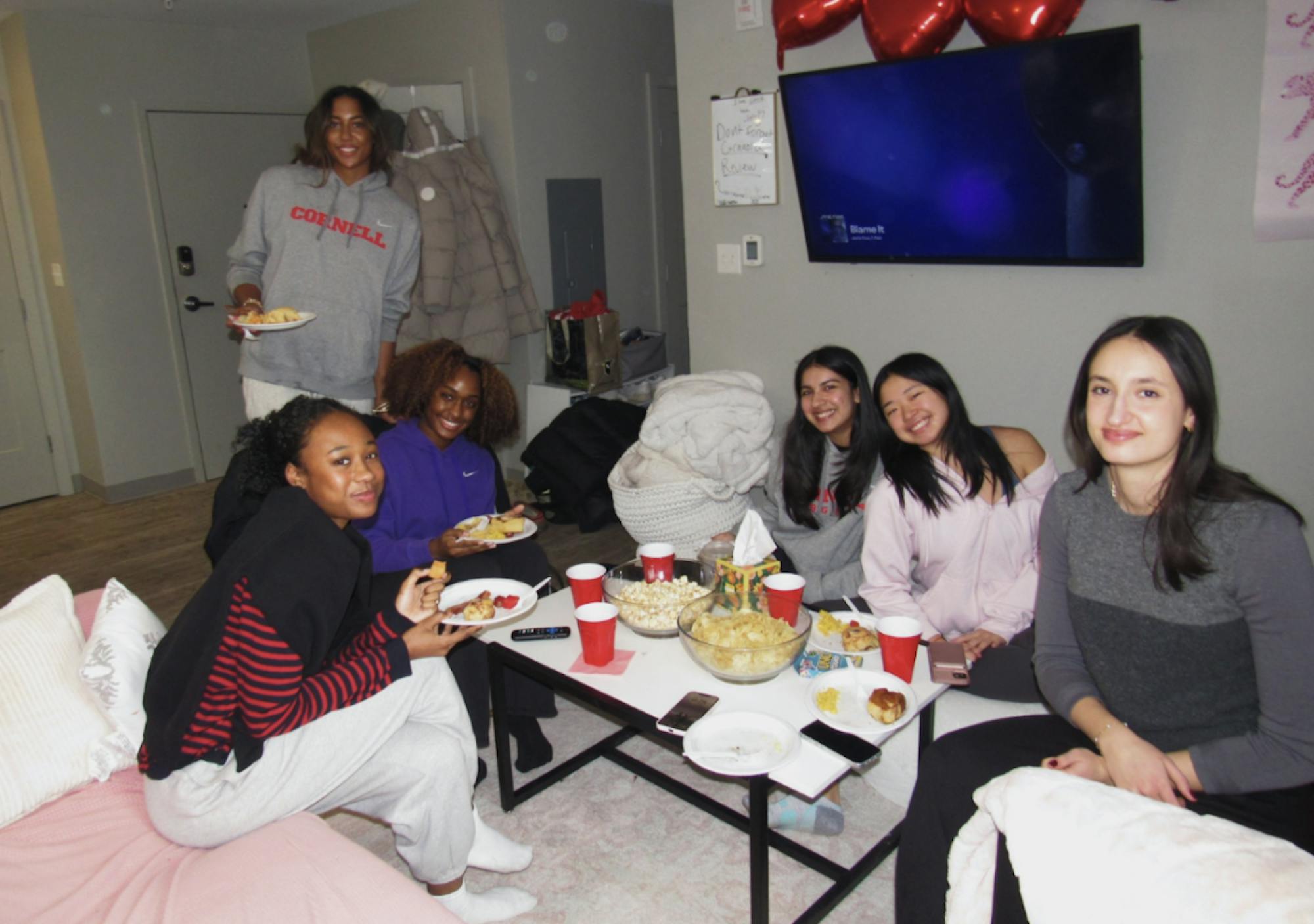
Resources are crucial, but representation may be even more powerful. As Falese described, watching upperclassmen who look like her secure internships and job offers from major companies provides motivation, especially during challenging moments.
Both WOCA and MOCA have also developed an informal mentorship network, where members across class years take time out of their busy schedules to advise underclassmen. These relationships extend beyond campus and into the professional world, serving as a reminder that mentorship within marginalized communities is both powerful and enduring.
“Being on the executive board this year and being able to pour into other young women in the same way and give back to our community together has been such a fulfilling experience,” Bogan said.
Through the struggle of finding one’s community on a campus of over 16,000 students, Falese has a simple mantra: “Be open.”
“I think joining different kinds of organizations, clubs and groups can be really eye-opening in discovering who you are, and what you identify with,” Falese said. “WOCA really helped me find my identity, and [gave me the space] to learn and grow.”
One final take away from Falese’s perspective: despite its name, WOCA is not exclusive to only athletes.
“It’s interesting how we title it,” Falese said. “But we’re definitely open to creating community for all people of color, and everyone on campus.”